Dangerous goods compliance in Victoria: what's different, what's required, and what catches businesses out
If your business operates in Victoria and you've been applying the same dangerous goods compliance framework as your interstate sites — stop. Victoria's rules are different. Not slightly different. Structurally different.
Victoria never adopted the national harmonised WHS legislation that most other states follow. Instead, it operates under its own Dangerous Goods (Storage and Handling) Regulations 2022, which sit entirely outside the WHS framework. The thresholds are different. The regulator is different. The terminology is different. And Victoria has a compliance tier — the fire protection quantity — that does not exist anywhere else in Australia.
This matters for three types of businesses in particular:
- Multi-site operators who have assessed their DG compliance nationally and assumed consistency across states
- Businesses that have moved from interstate and brought their existing compliance approach with them
- Victorian businesses that have been managing DG compliance under WHS frameworks because that's what their safety team knows
This page explains how Victoria's system works, what the four threshold tiers require, and what catches Victorian businesses out most often.
Disclaimer: This page provides a general overview of dangerous goods compliance obligations in Victoria. It is not a complete or definitive statement of the law and should not be relied upon as legal or compliance advice. Obligations vary by substance, quantity, site configuration and the specific regulations in force at the time. Always consult the relevant legislation directly or seek qualified professional advice for your circumstances. Regulatory references were current at time of writing and are based on the Dangerous Goods (Storage and Handling) Regulations 2022 (Vic).
Who regulates dangerous goods in Victoria?
Two authorities are involved, and understanding their different roles matters.
WorkSafe Victoria administers the Dangerous Goods (Storage and Handling) Regulations 2022. They are the primary compliance authority — responsible for inspections, enforcement, notifications and licensing.
Fire Rescue Victoria (FRV) or the Country Fire Authority (CFA) depending on your location, has a formal statutory role for sites above manifest quantity. They must be consulted on emergency planning and on the design and approval of fire protection systems. This is not optional or advisory — it is a legal requirement. For sites in rural or regional Victoria, CFA takes FRV's place.
Victorian legislation reference
Dangerous Goods (Storage and Handling) Regulations 2022 (S.R. No. 115/2022). Schedule 2 sets out placarding, manifest and fire protection quantities. Schedule 3 sets out manifest content requirements. The full text is available at legislation.vic.gov.au.
How Victorian thresholds work: four tiers
Victoria uses a four-tier threshold structure. Each tier builds on the one before it — crossing a higher threshold adds new obligations without removing the ones below. Think of it as a staircase, not a replacement.
| Threshold tier | Obligations triggered |
|---|---|
| 1. Minor storage — Any quantity from day one |
|
| 2. Placarding — Above Schedule 2 placarding quantity | All Tier 1 obligations apply, plus:
|
| 3. Manifest — Above Schedule 2 manifest quantity | All Tier 1 and 2 obligations apply, plus:
|
| 4. Fire Protection — Above Schedule 2 fire protection quantity (unique to Victoria) | All Tier 1, 2 and 3 obligations apply, plus:
|
The fire protection quantity tier exists only in Victoria. If your business has assessed its DG compliance nationally and assumed Victoria follows the same three-tier structure as other states, this tier may be missing from your compliance position entirely. It is one of the most common gaps we find in Victorian DG assessments.
This is a summary — not the complete obligation set
The Victorian DG Regulations impose significantly more detailed obligations than any summary can capture. The full obligation list — with specific regulation references, plain-English explanations, and links to WorkSafe Victoria codes of practice — is what DGXprt generates automatically for your site based on your actual inventory and threshold position. This page explains the framework. DGXprt tells you exactly what applies to you.
What makes Victoria meaningfully different from other states
If you manage DG compliance across multiple jurisdictions, these are the differences that require separate assessment for Victorian sites.
The fire protection quantity tier
This threshold sits above the manifest level and triggers a mandatory formal approval process with FRV before any fire protection system is installed or altered. It does not exist in any other Australian state. Businesses that have reached this threshold without realising it — or that have installed fire protection systems without FRV approval — are in breach of Regulation 52 regardless of whether the system itself is adequate.
No WHS framework
Every other state and territory has adopted some version of the harmonised WHS legislation. Victoria has not. This means the terminology is different (dangerous goods rather than hazardous chemicals as the primary classification), the regulatory schedules are different, and the compliance logic is different. A WHS-trained safety professional managing Victoria through the same lens as NSW or QLD will miss things.
WorkSafe notification renews every two years
In most other states, once you notify the regulator that you are above manifest quantity, that notification stands until circumstances change. In Victoria, the notification to WorkSafe must be renewed every two years as a matter of course — not just when quantities change. It must also be renewed sooner if quantities increase or decrease by 20 per cent or more, if DG classifications change, if new plant is introduced, or if the principal activities at the site change.
Emergency Information Container — not just a box
Victoria uses the term Emergency Information Container (EIC) rather than emergency information box. The EIC at the main site entrance must contain the manifest, the site emergency plan, and emergency services contact details. It is not sufficient to have the manifest somewhere accessible — it must be in the EIC, at the main entrance, in the prescribed format. FRV can agree to an alternative location but that agreement must be documented.
FRV or CFA — location determines which applies
Fire Rescue Victoria covers metropolitan Melbourne and major regional centres. The Country Fire Authority (CFA) covers rural and regional Victoria. The obligations to consult with the relevant fire authority apply in both cases — but the authority you consult depends on your site location. Multi-site Victorian operators may have sites under different fire authority jurisdictions.
What catches Victorian businesses out most often
Based on what WorkSafe Victoria inspectors and DG consultants regularly identify across Victorian workplaces:
- Applying the NSW or QLD compliance framework to Victorian sites — the threshold structure, terminology and regulatory instruments are all different
- Missing the fire protection quantity tier entirely — not knowing it exists or not calculating whether the site has crossed it
- Installing or modifying a fire protection system without FRV pre-approval (Reg 52 is a pre-approval requirement, not a post-installation check)
- Failing to renew the WorkSafe notification every two years, or not triggering re-notification after a 20% change in quantities
- EIC at the site entrance containing an outdated manifest or missing the emergency plan
- No register or an incomplete register — triggered from any quantity, including small amounts
Know your Victorian DG compliance position
DGXprt automates threshold calculations against Schedule 2 of the Victorian DG Regulations, generates compliant manifests in Schedule 3 format, and tracks your full obligation set as inventory changes — including the fire protection quantity tier. See your full compliance position in under 8 hours.
Continue reading
NSW Dangerous Goods Compliance — thresholds, obligations and what changed in 2025
How the NSW WHS Regulation 2025 reshaped hazardous chemical thresholds, notifications and manifest obligations.
Read article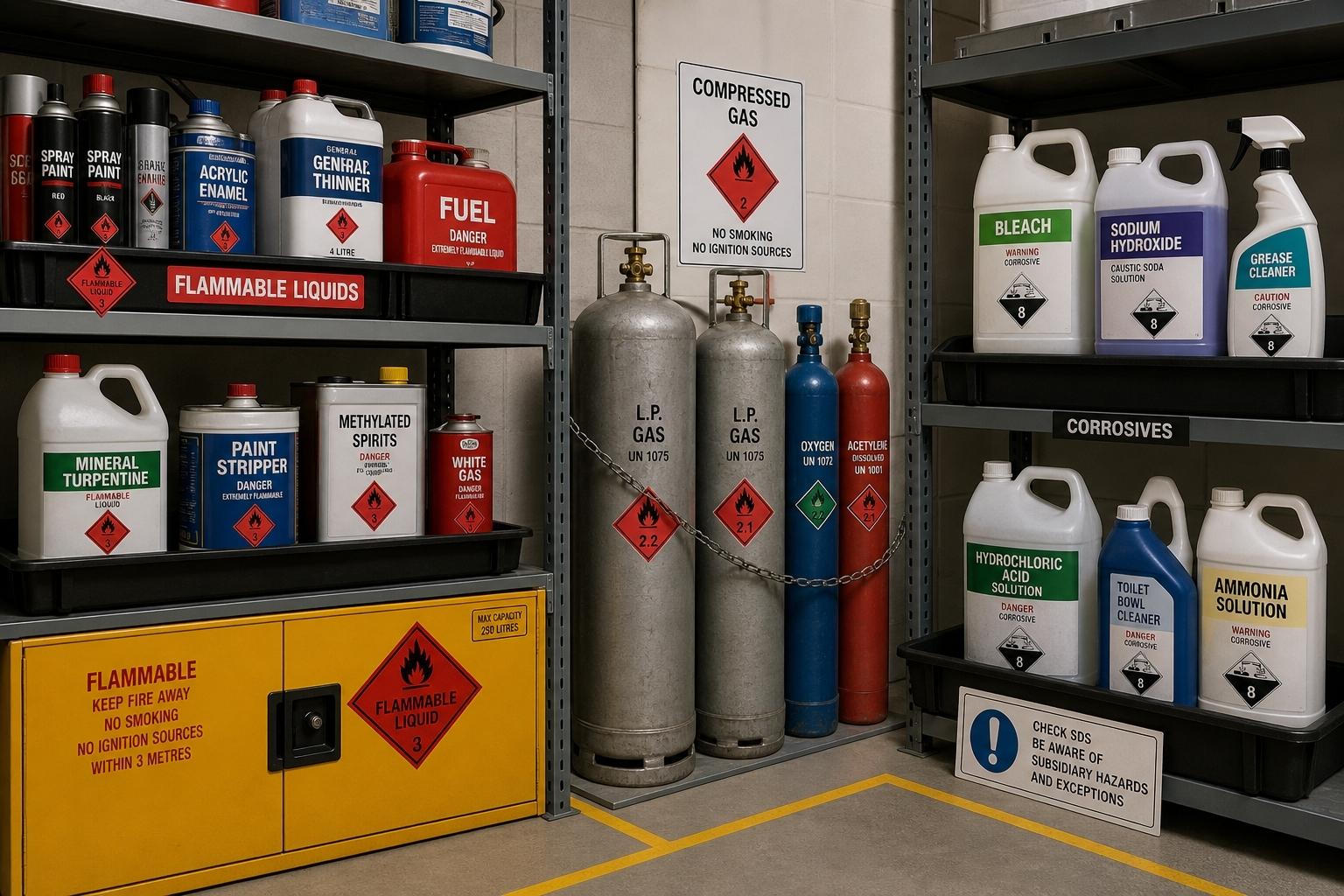
What Qualifies as Dangerous Goods in Australia?
Fuel, LPG, aerosols, paints, solvents — are they dangerous goods? Understanding what qualifies and what compliance obligations follow.
Read article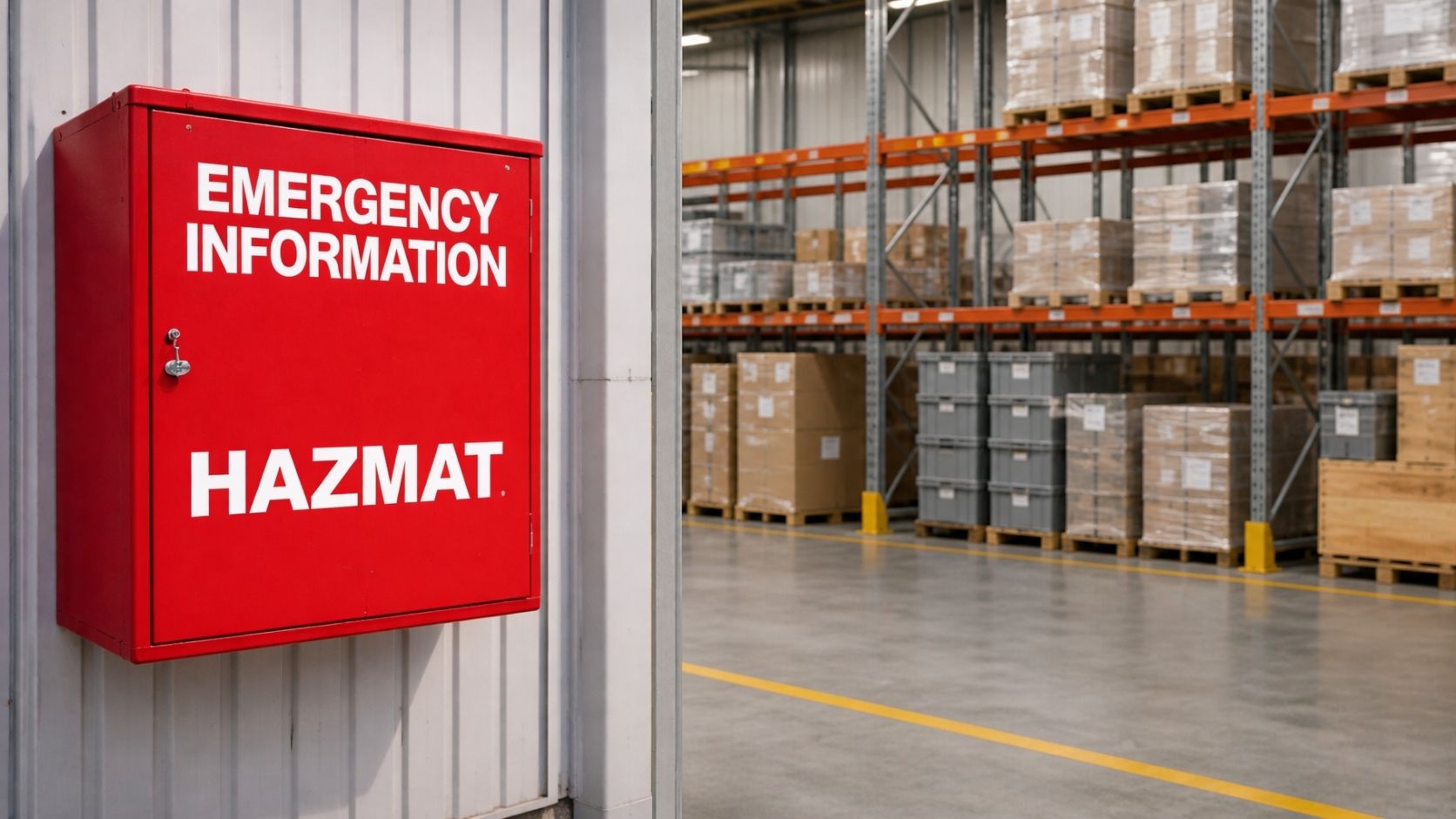
Dangerous Goods Manifest Requirements in Australia
When is a dangerous goods manifest legally required? What must it contain? A plain-English guide to thresholds and state differences.
Read articleFrequently asked questions
Common questions about dangerous goods compliance software.