The Clarity Report: Dangerous Goods & AI Compliance Insights
Curated news and expert guidance on dangerous goods compliance and safety. Turning complex regulations into clear insights for safer operations.
The Clarity Report shares practical insights on Dangerous Goods compliance and AI-enabled safety management. From regulatory updates and compliance strategies to product innovation and thought leadership, our articles provide actionable perspectives for organisations managing hazardous chemicals and WHS obligations.
Written with clarity and credibility, The Clarity Report helps business, compliance, and safety leaders understand what's changing — and how to stay ahead with smarter, simpler compliance and technology solutions.
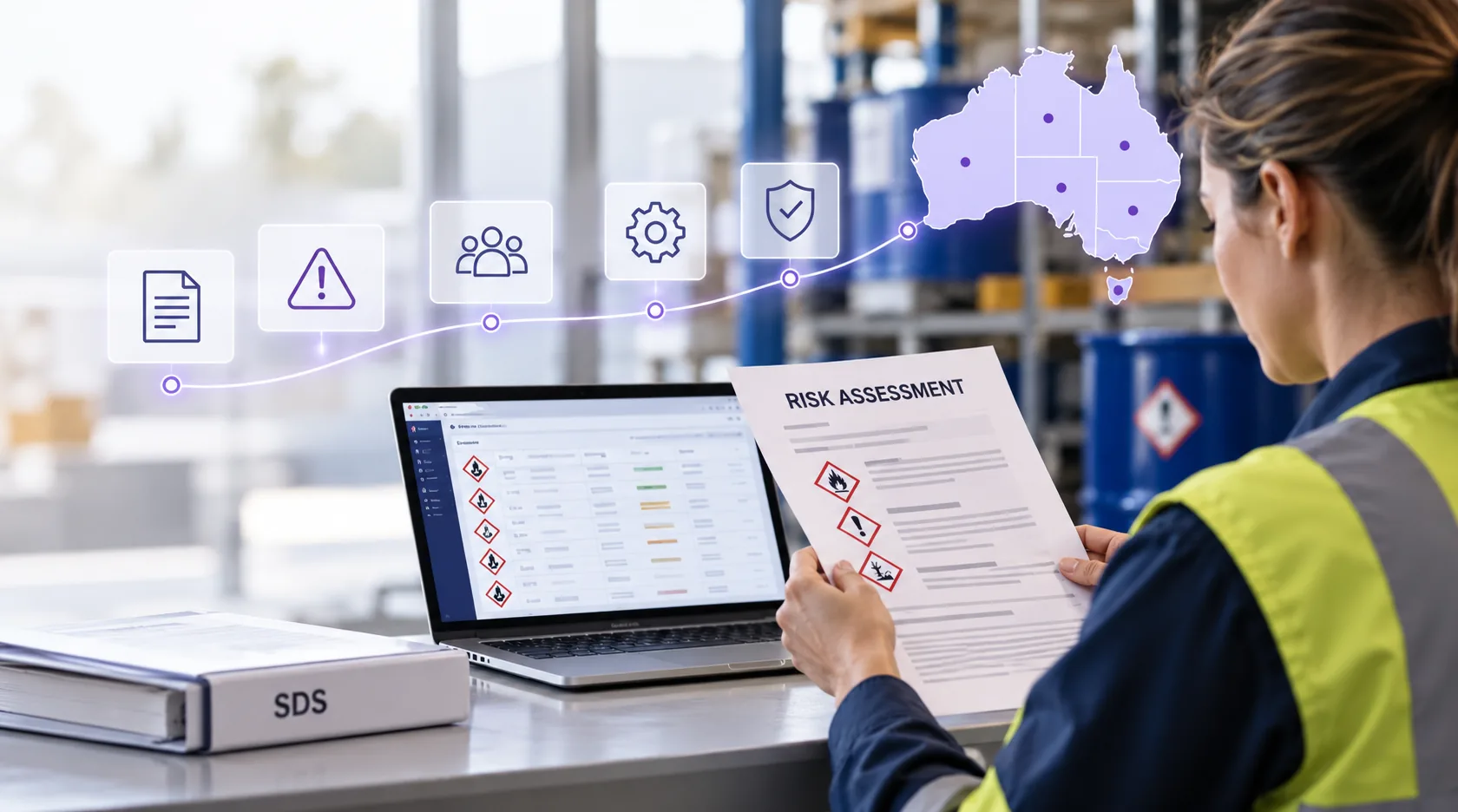
Hazardous chemical risk assessments in Australia:a practical guide, state by state
This guide focuses on one product at a time, in one place. That is how most real assessments start: a chemical arrives, and someone has to work out how to store and handle it safely.

Your chemical risk assessment should cover more than health exposure
Most chemical risk assessments only cover health exposure. The WHS Regulations ask about fire, spills and storage too. Here are the gaps and myths.

AI answered 95.8% of dangerous goods questions correctly in one study. So can you trust it?
It depends on what you asked, how you asked it, and what information the AI models had at the time. New research tested 13 AI models against the IMDG Code.

Managing Dangerous Goods:Which Type of Software Do You Need?
An SDS library is not a dangerous goods compliance system. Compare chemical management systems, broad EHS platforms and purpose-built dangerous goods compliance software, and learn which type your business may need.
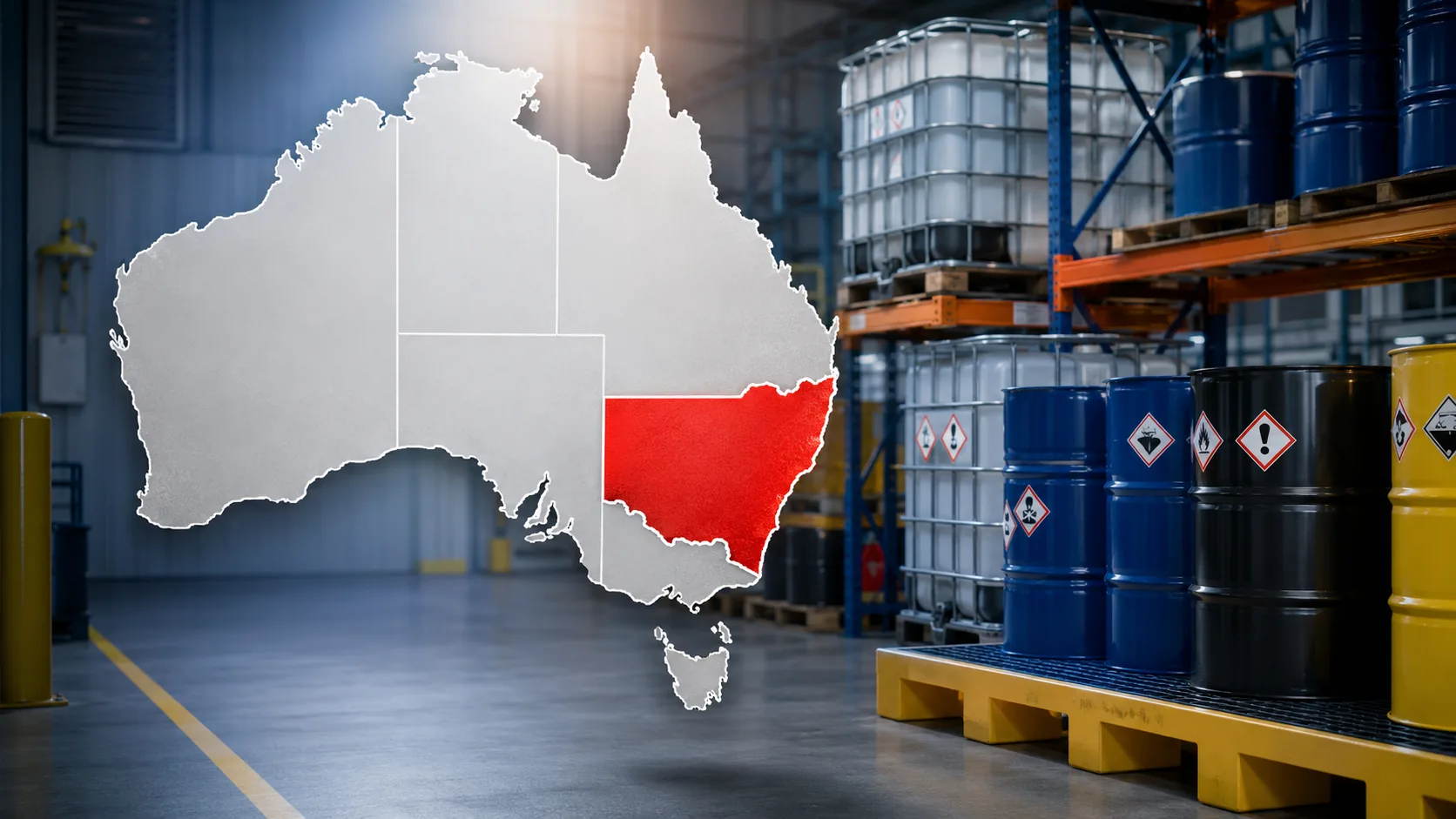
What NSW's new Codes of Practice duty means for your dangerous goods site
From 1 July 2026, section 26A of the NSW WHS Act makes the codes of practice a legal floor, not evidence. Here's what applies to storage and handling of dangerous goods, and a companion 10-minute site self-check.
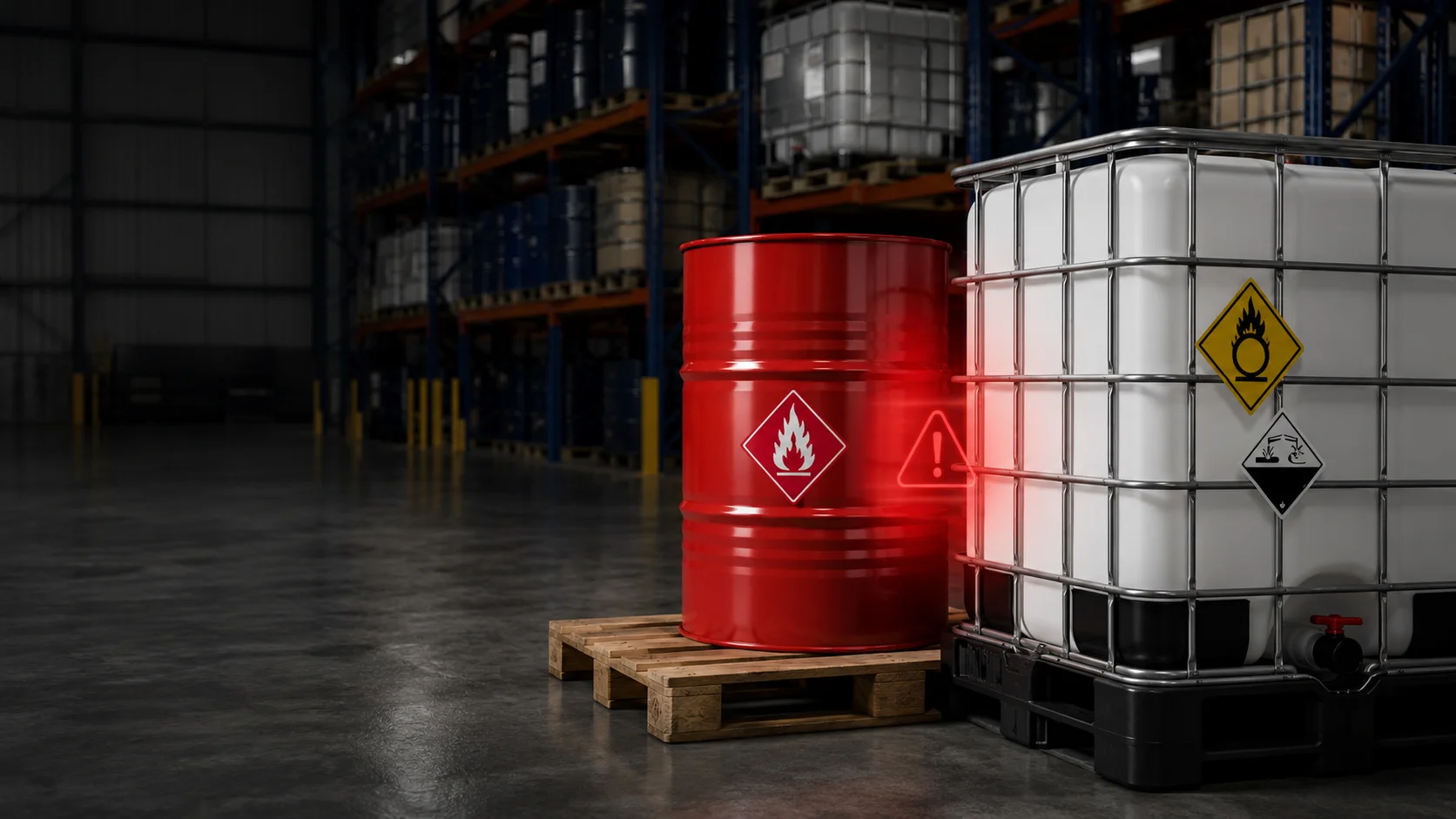
The Segregation Blind Spot:What's Sitting Next to Your Dangerous Goods Could Cost You Millions
WorkSafe prosecutions of Bradbury Industrial Services and ACB Group show segregation is where dangerous goods compliance quietly drifts — and where multi-million dollar fines land. Here's why AS 3833 needs to be a live check, not a quarterly audit.

What 50 Years in Dangerous Goods Actually Teaches You
Reflections on Episode 2 of Dangerous Goods Matters, the official AIDGC podcast. Peter Hunt — chemical engineer, founding AIDGC supporter and 50-year DG veteran — on the gap between compliance and safety, the businesses that don’t know they’re regulated, and where the industry is heading.
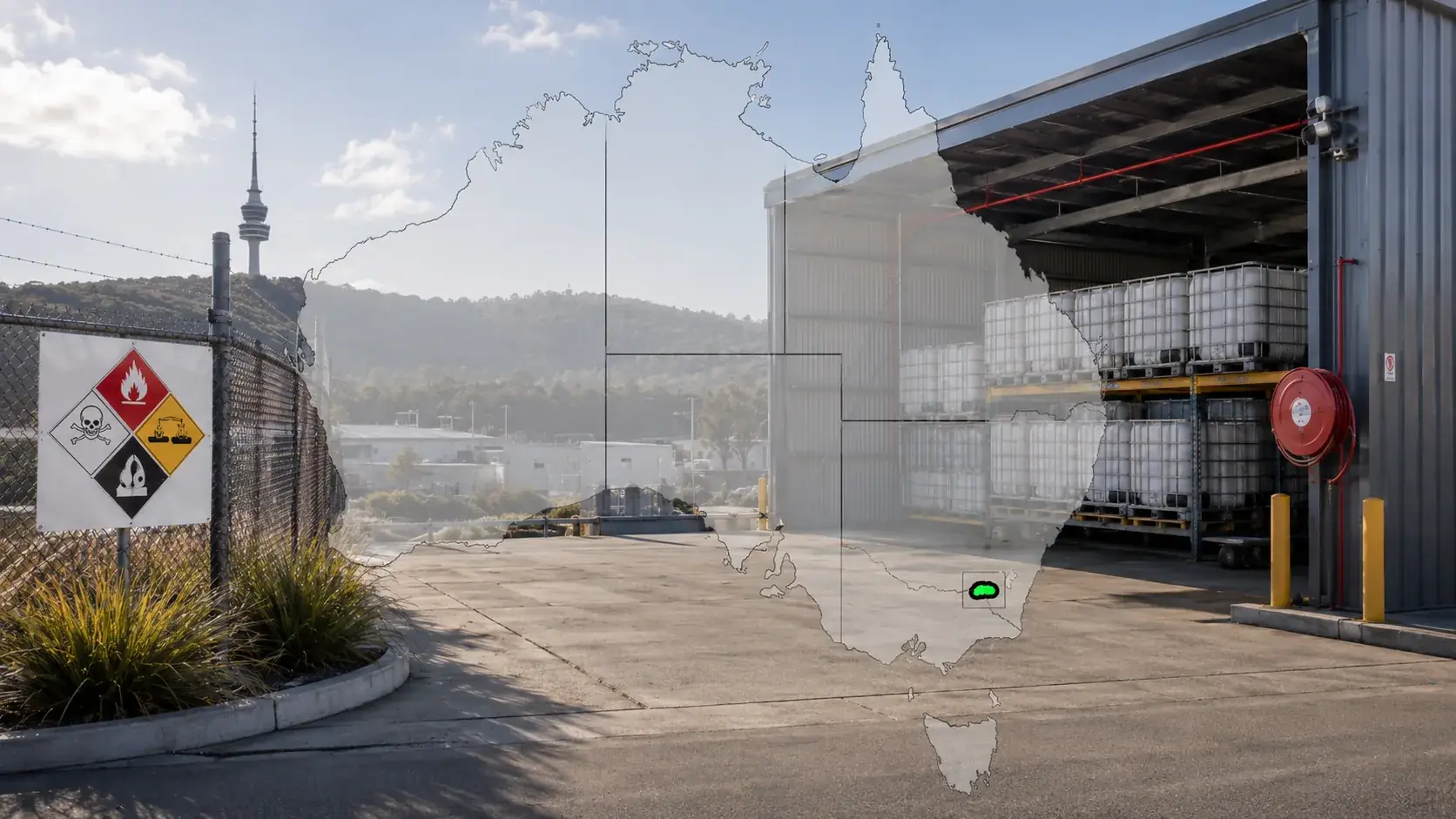
Dangerous Goods Compliance in the ACT:Thresholds, Obligations and What Your Business Needs to Know
ACT businesses storing dangerous goods face obligations under the WHS Regulation 2011, with three threshold tiers and a specific role for ACT Fire & Rescue at manifest quantities. Here’s what applies and what to watch for in the national capital.
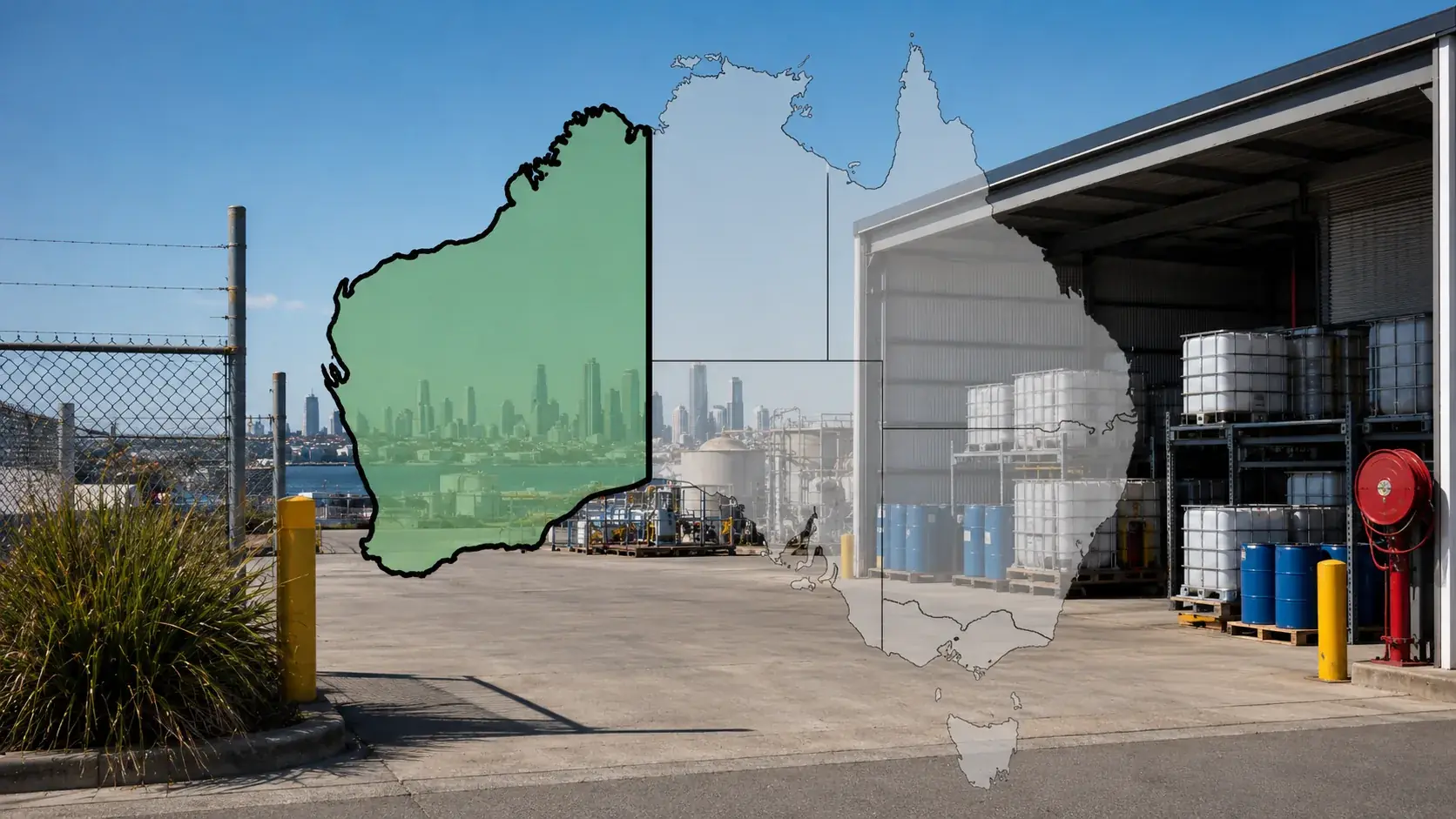
Dangerous Goods Compliance in Western Australia:Two Frameworks, Thresholds and What Your Business Needs to Know
WA businesses face two separate dangerous goods regulatory frameworks — the WHS Regulations and the DG Safety Regulations — administered by two different regulators. Here’s what each requires and how the threshold tiers work.
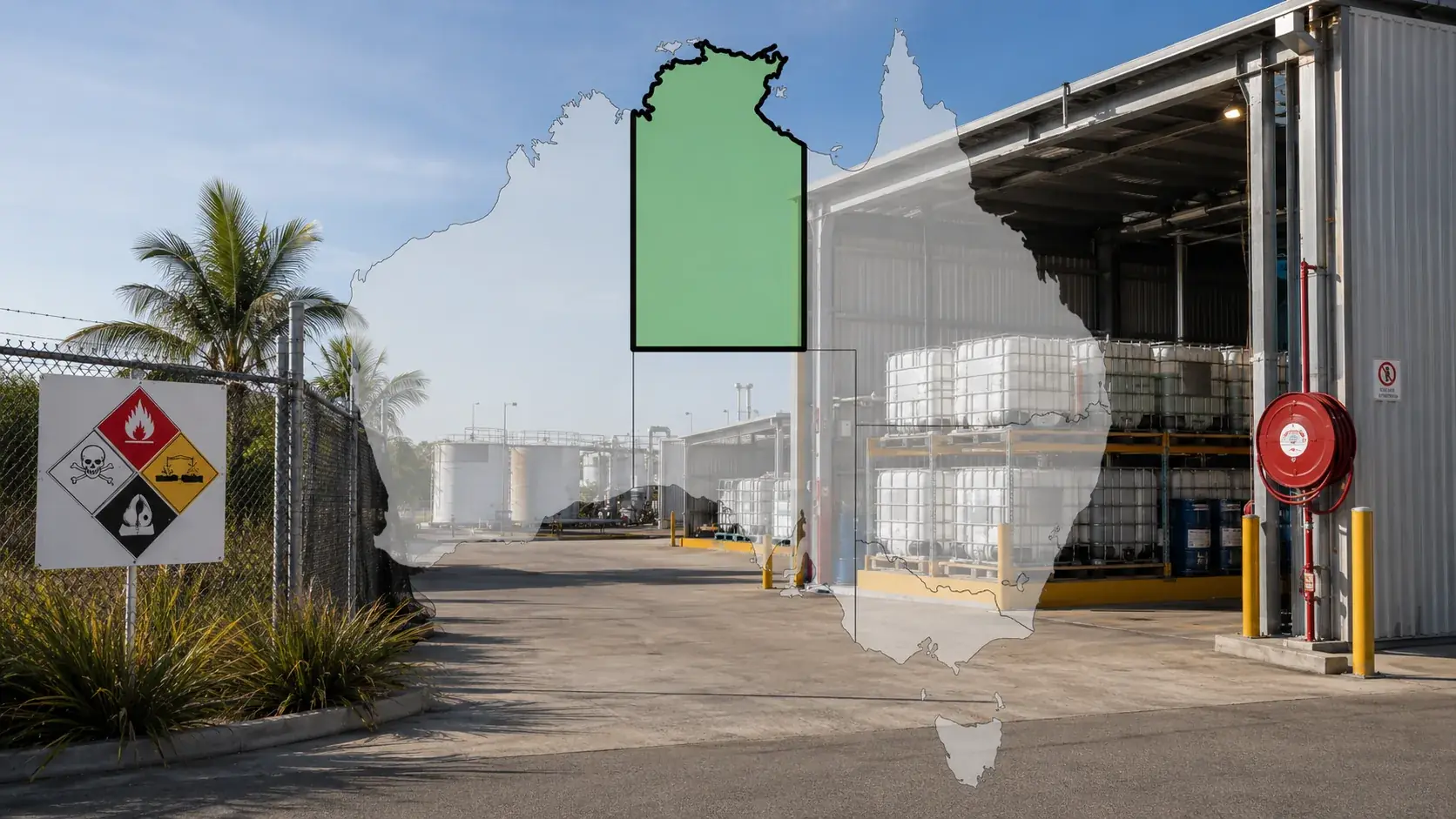
Dangerous Goods Compliance in the Northern Territory:Thresholds, Gas Obligations and What Your Business Needs to Know
NT businesses storing dangerous goods face WHS obligations and — if you store LPG or fuel gas — an additional layer under the NT Dangerous Goods Regulations 1985. Here’s what applies and how the thresholds work.
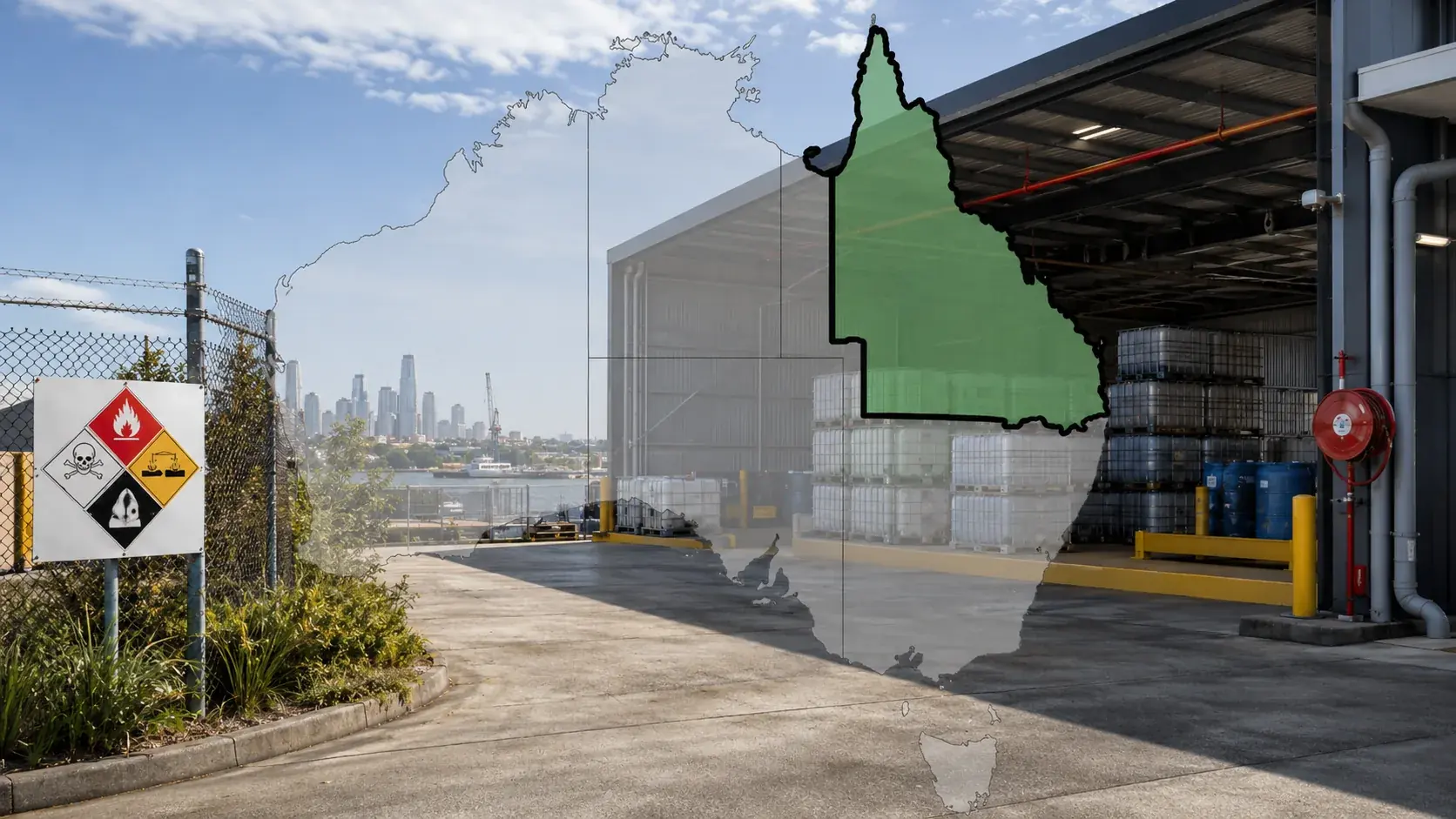
Dangerous Goods Compliance in Queensland:Thresholds, Obligations and What Businesses Need to Know
Queensland businesses storing dangerous goods face specific threshold quantities, placarding, manifest and notification obligations under the WHS Regulation 2011. Here’s what applies and how to stay compliant.
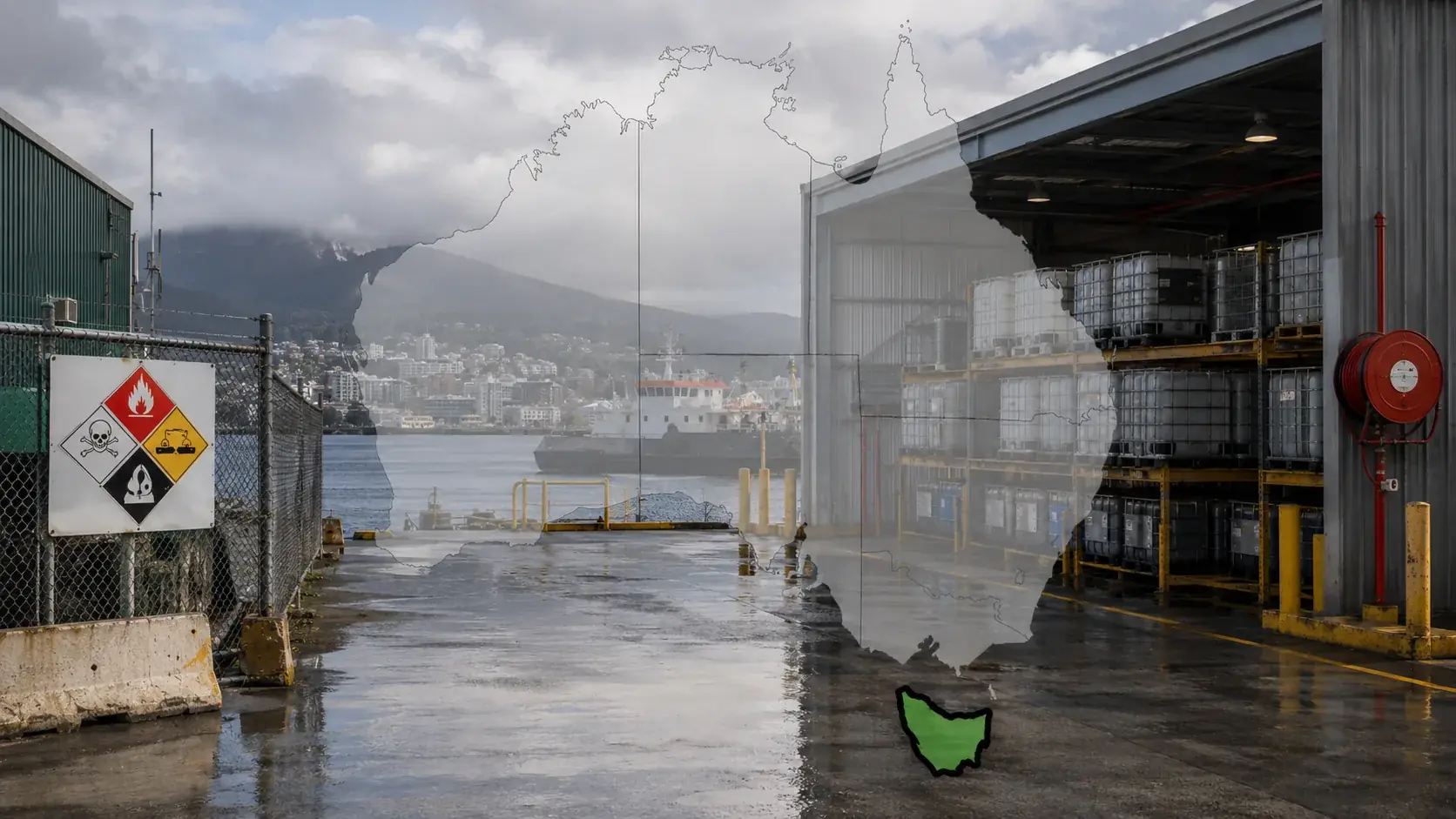
Dangerous Goods Compliance in Tasmania:Thresholds, Obligations and What Your Business Needs to Know
Tasmanian businesses storing dangerous goods face threshold-based obligations under the WHS Regulations 2022. Here’s what the minor storage, placarding and manifest tiers mean for your site.
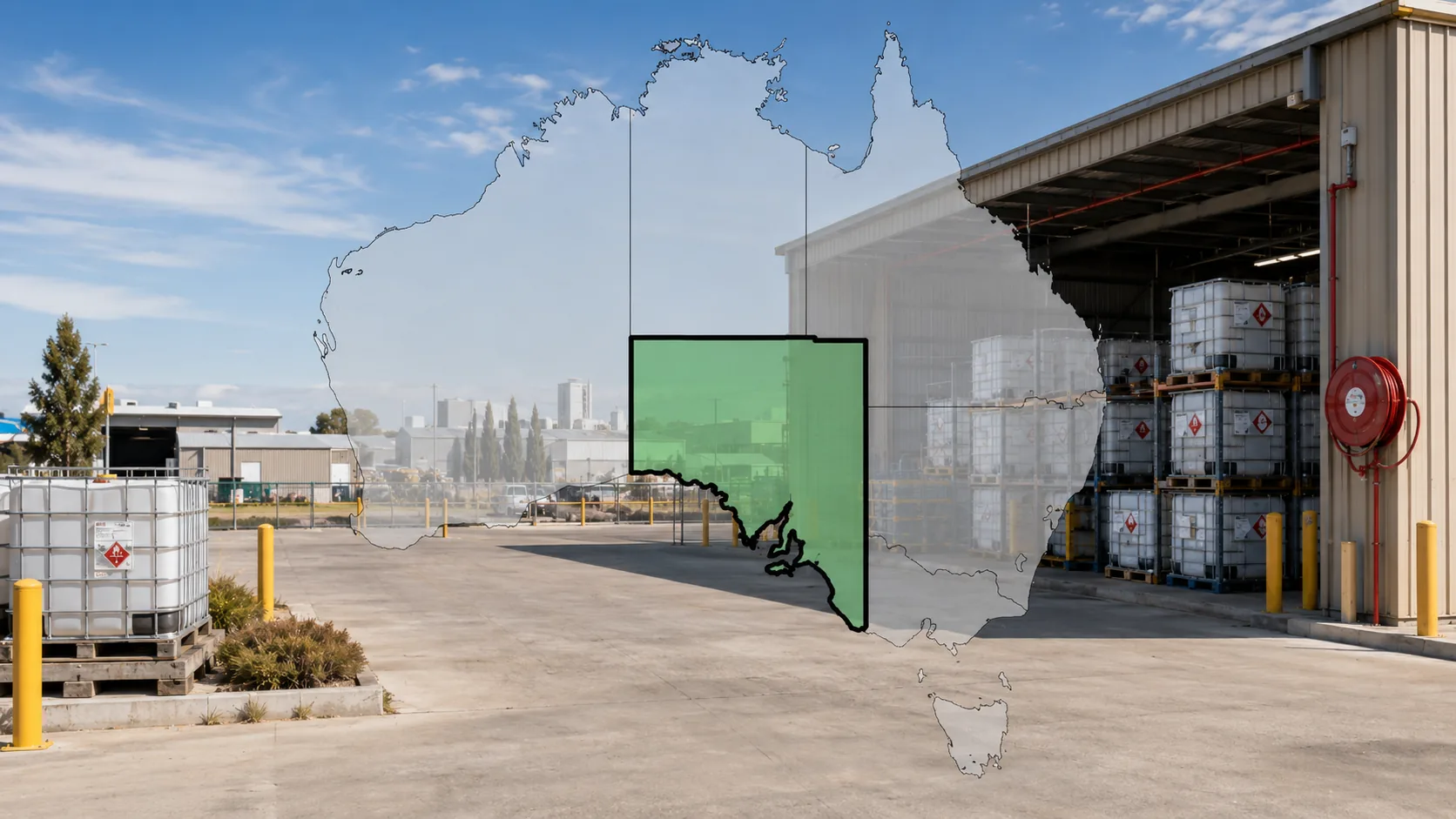
Dangerous goods compliance in South Australia:two frameworks, thresholds and licensing obligations
SA businesses must comply with two regulatory frameworks: the WHS Regulations 2012 (which includes placarding and manifests) and the Dangerous Substances (General) Regulations 2017 (which adds physical storage standards and licensing). Here's how they interact.
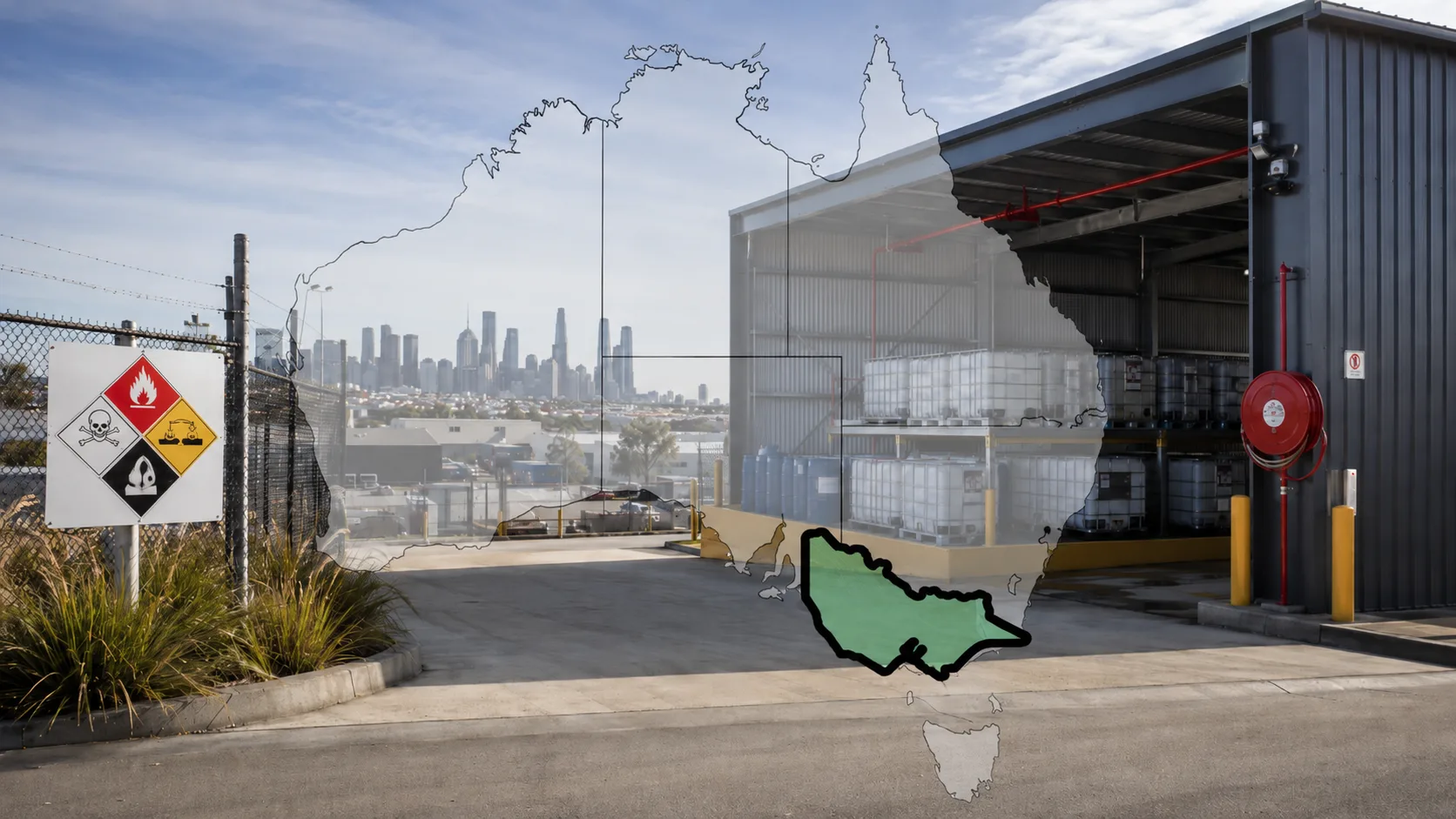
Dangerous goods compliance in Victoria:thresholds, obligations and the fire protection quantity tier
Victoria's dangerous goods regulations are different from every other state. Here's what Victorian businesses need to know about thresholds, the fire protection quantity trigger, FRV obligations and the 2022 Regulations.
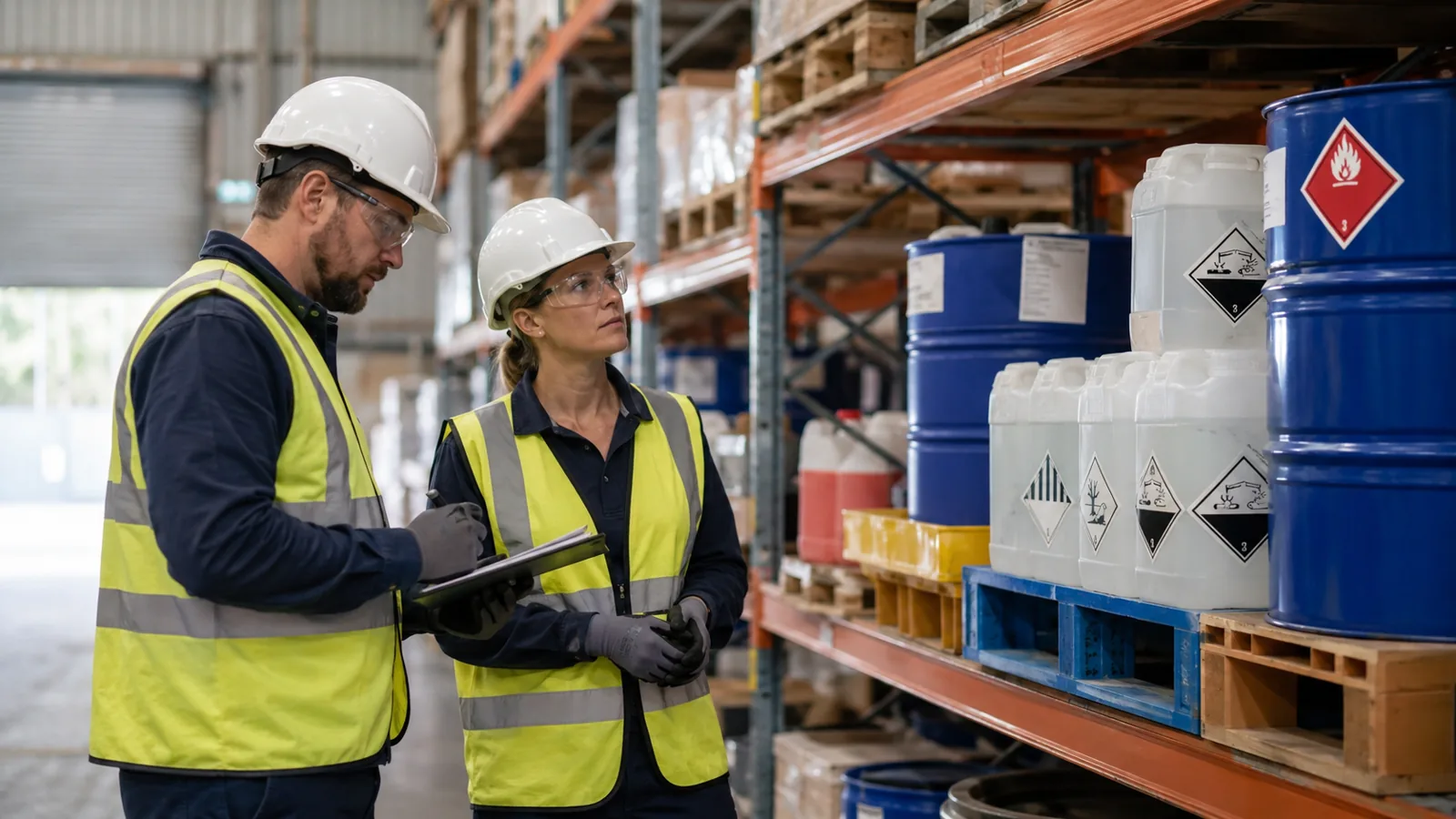
Six things our DG consultants check first when they walk onto your site
Our dangerous goods consultants see the same gaps on site after site. Here are the six things they check first — and what WHS professionals need to know before a regulator finds them.
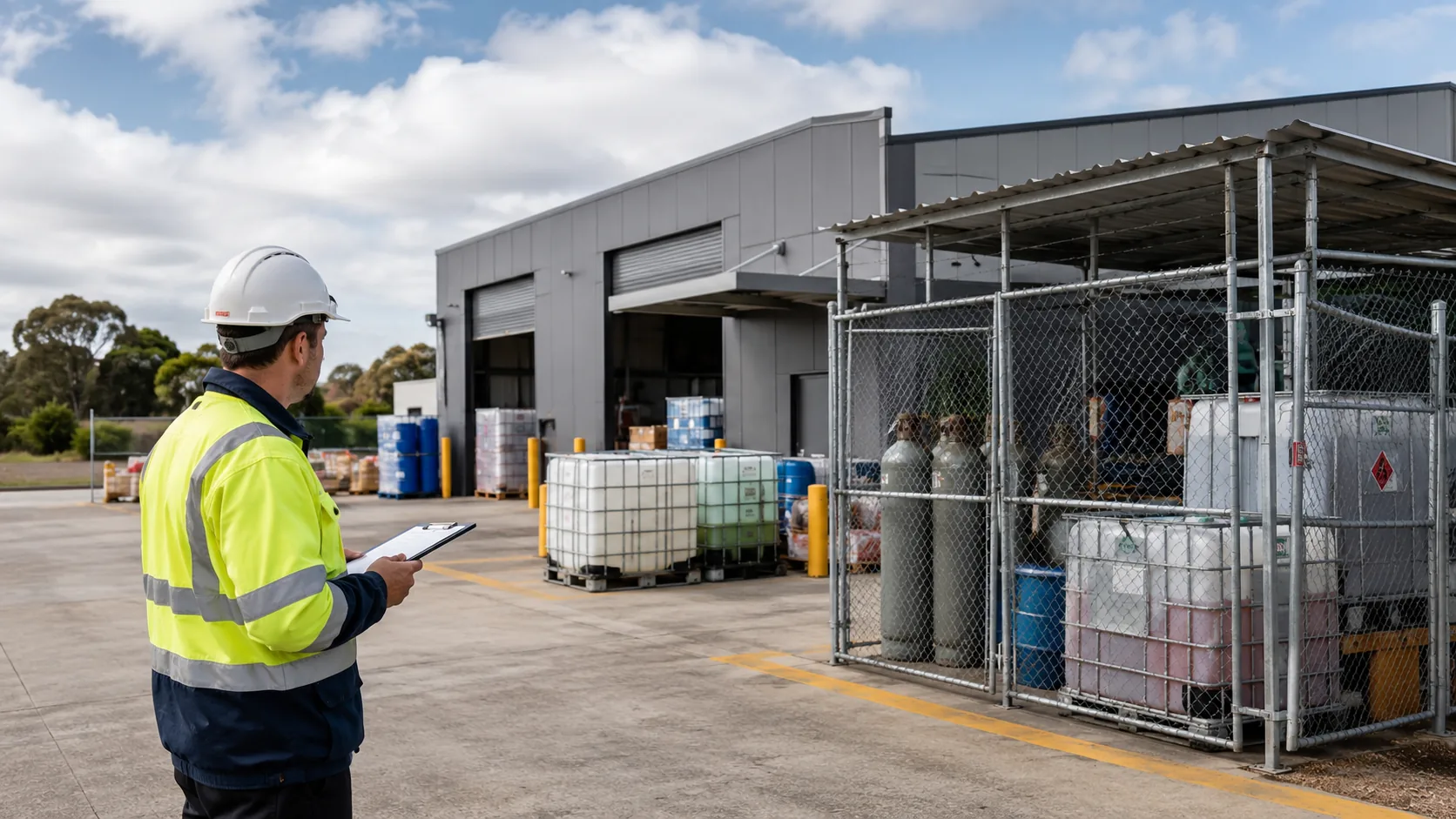
Major Hazard Facilities in Australia:most businesses think it doesn't apply to them. Some of them are wrong.
Most businesses assume MHF doesn't apply to them. But the notification obligation starts at 10% of the MHF threshold — and many businesses storing common chemicals are already inside that zone without knowing it.
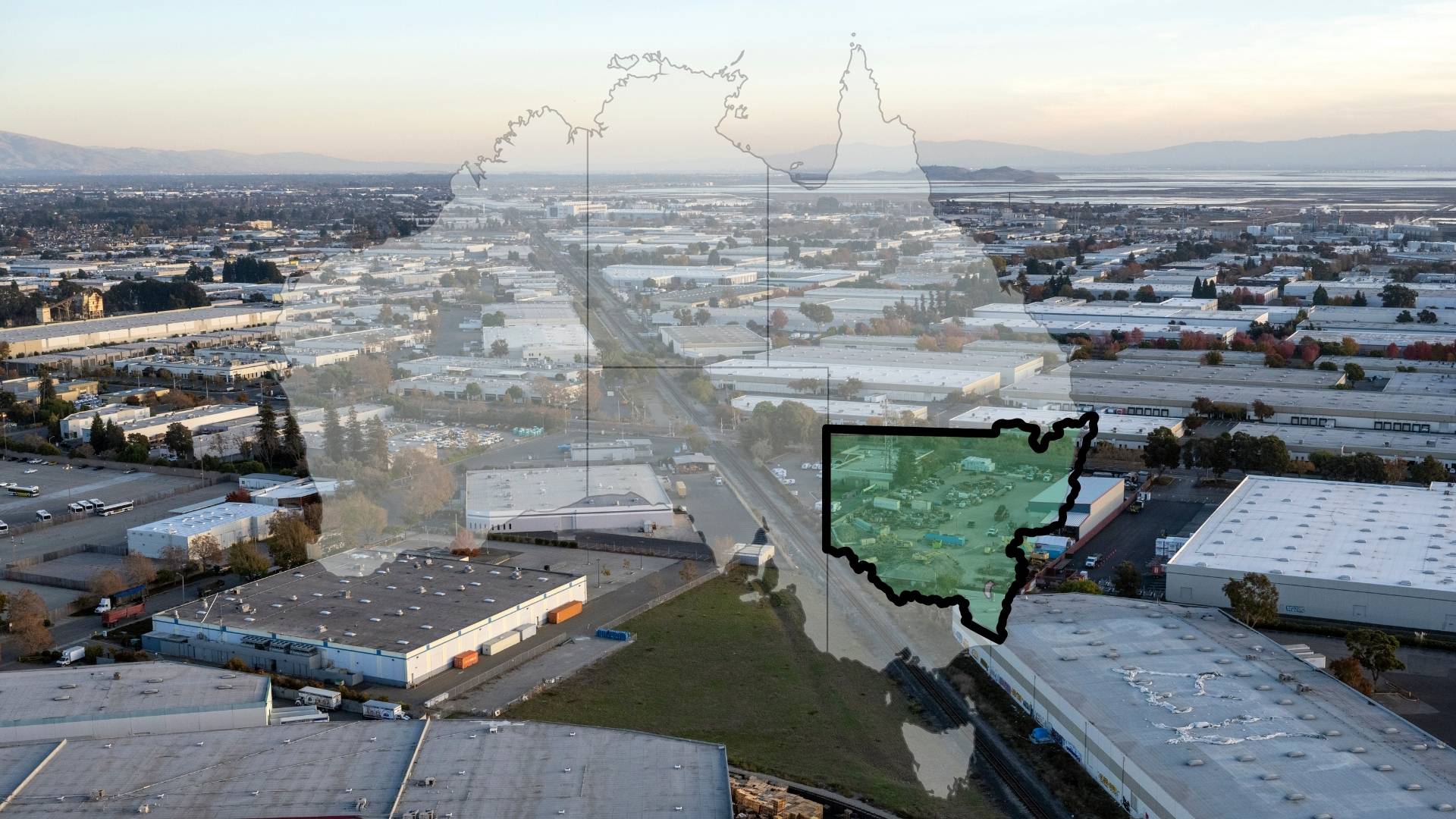
Dangerous goods compliance in NSW:thresholds, obligations and what changed in 2025
NSW businesses storing dangerous goods face specific threshold quantities, placarding, manifest and notification obligations under the WHS Regulation 2025. Here's what applies and how to stay compliant.
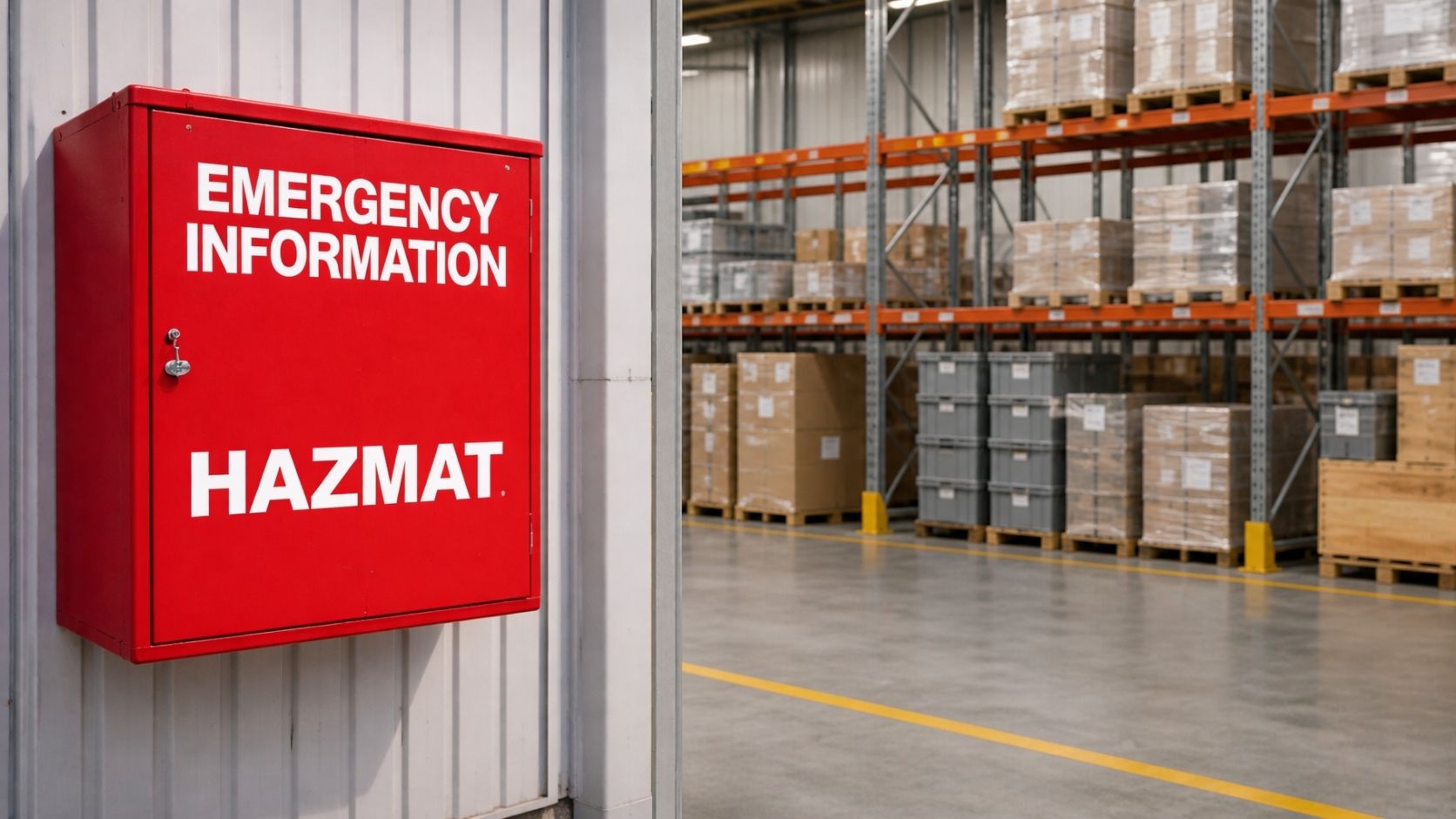
Dangerous Goods Manifest Requirements in Australia:When They're Required and What They Must Contain
When is a dangerous goods manifest legally required in Australia? What must it contain? How does it differ from a register? A plain-English guide covering thresholds, jurisdiction differences and Schedule 12 requirements.
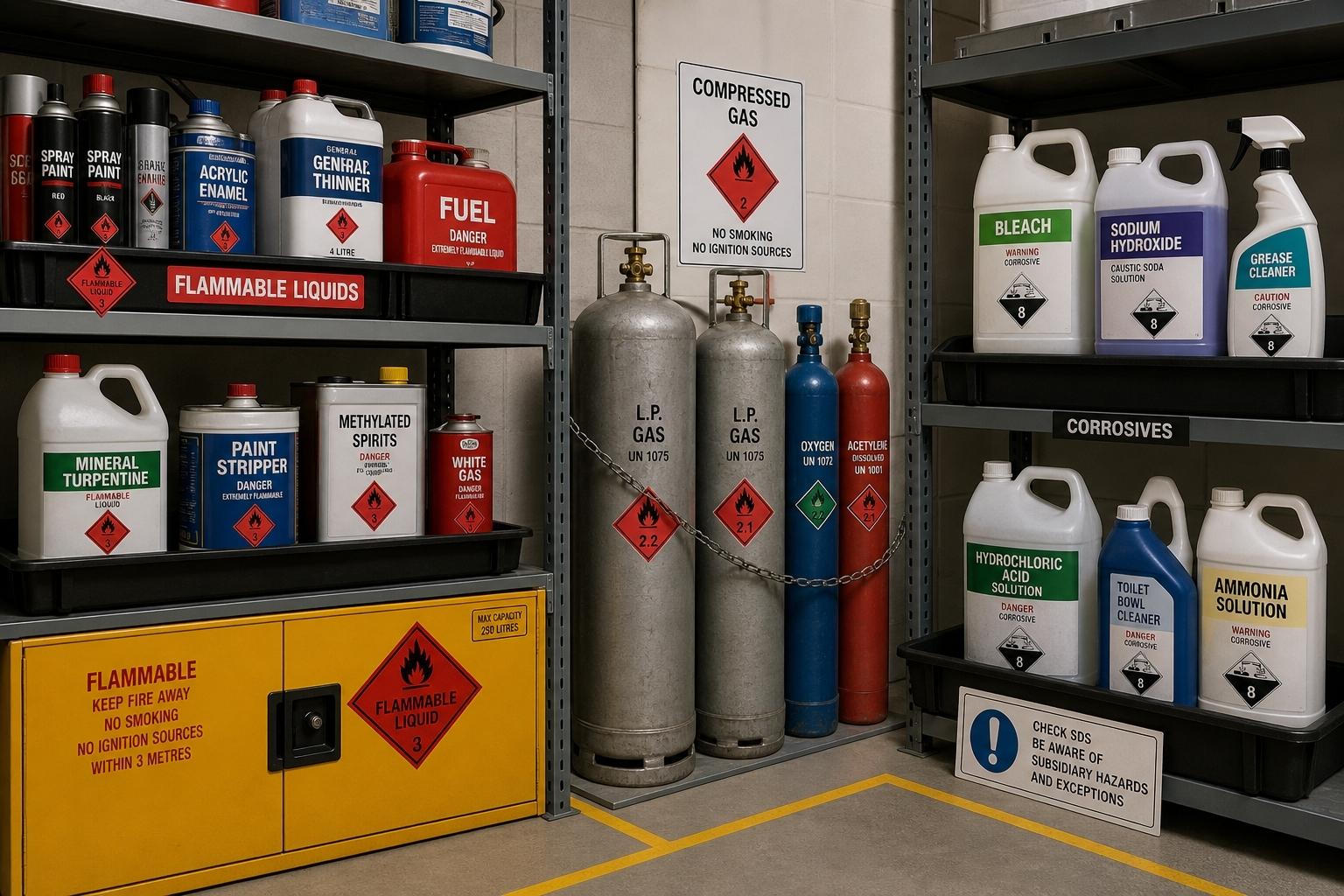
What Qualifies as Dangerous Goods in Australia?
Fuel, LPG, aerosols, paints, solvents — are they dangerous goods? Understanding what qualifies and what compliance obligations follow is harder than most businesses expect. Here's how it works.
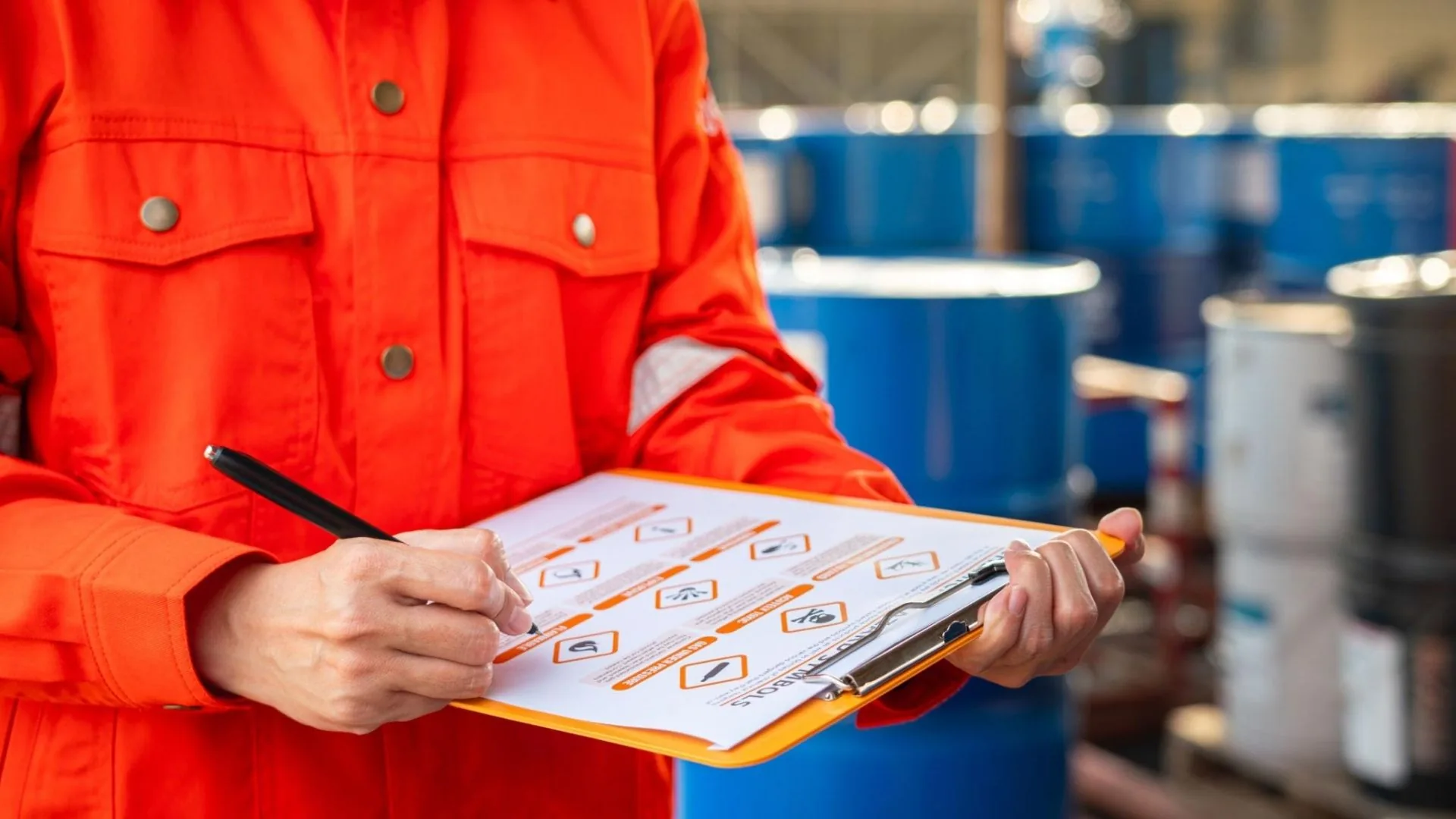
Are Your Safety Data Sheets Actually Compliant? SDS Validation in Australia
Most Australian businesses assume their SDSs are compliant. Over 40% aren't. Here's what SDS validation means, what to check, and why non-compliant SDSs create downstream risk across your entire DG compliance program.
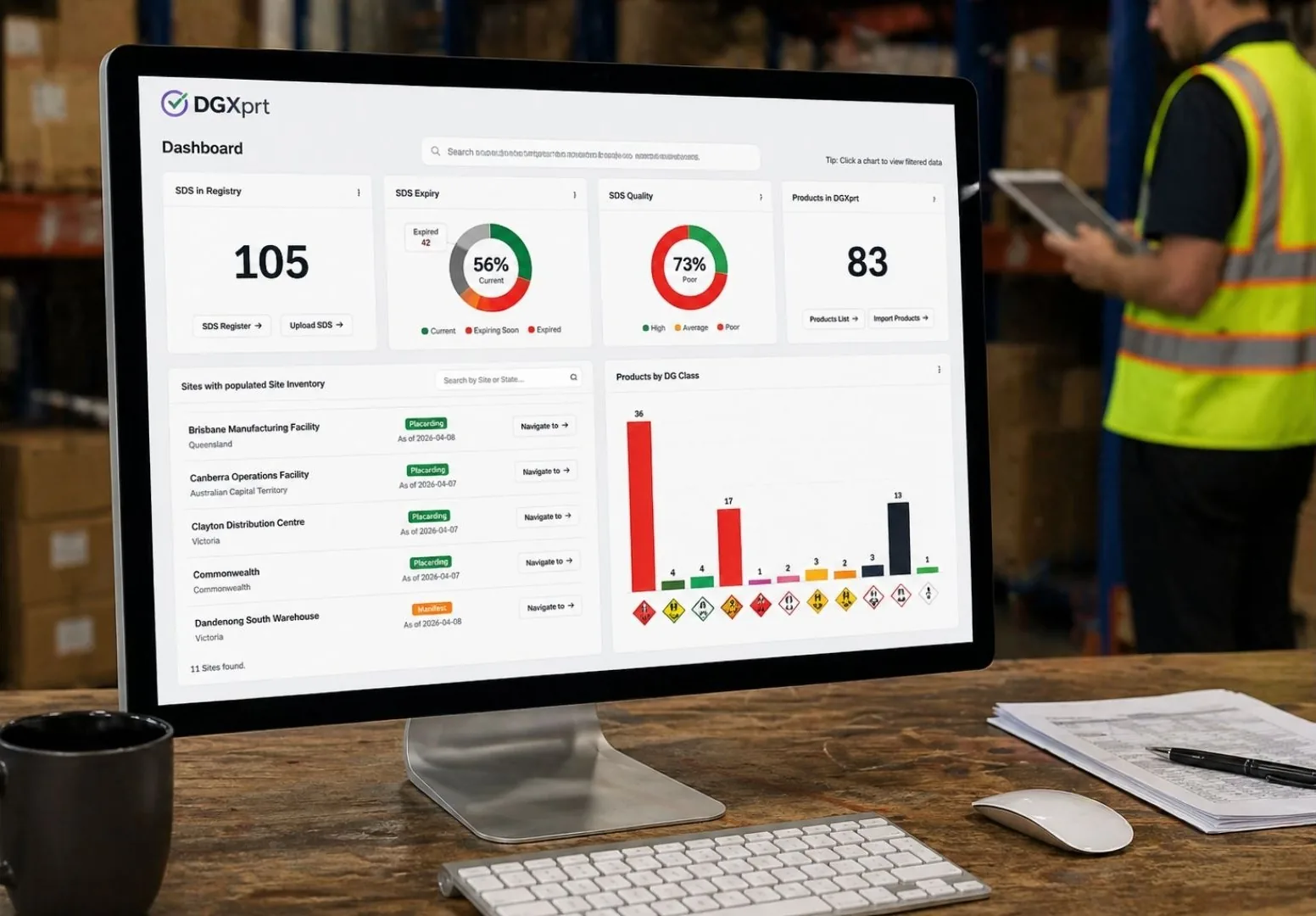
Are You Accidentally Non-Compliant? A Buyer's Guide to DG Compliance Software
Most Australian businesses storing DG are non-compliant and don't know it. This guide covers the three types of compliance software, what to look for, and why the window is closing.
Australia's Road and Rail Dangerous Goods Transport Rules Are About to Change:What Industry Needs to Know
The Australian Dangerous Goods Code is undergoing its most significant rewrite in over two decades. Here's what compliance professionals, logistics operators, and transport managers need to know about the changes, the timeline, and what to expect.

Getting Started with DG Compliance in Australia
Compliance sounds simple — until you try to do it properly. Here's what Australian businesses are dealing with, and why getting it right requires more than a spreadsheet and good intentions.
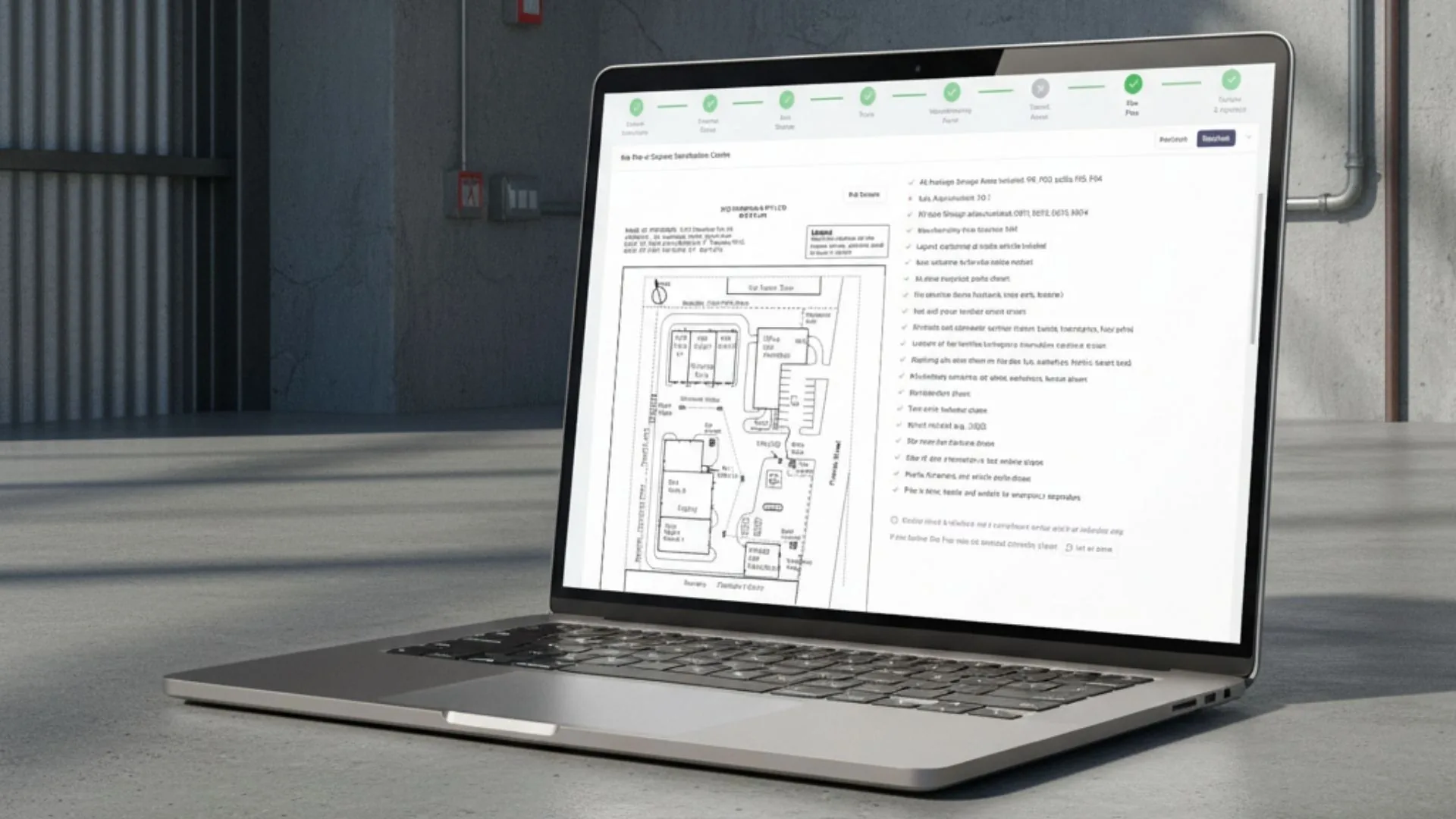
Feature Spotlight:Manifest Module
Your manifest is the document emergency services reach for first. DGXprt now generates it — accurately, automatically, directly from your site data.
Dangerous Goods Manifests:Where Compliance Breaks Down
When a dangerous goods manifest is wrong, the consequences are rarely administrative. They are operational, regulatory and, in the worst cases, life-threatening. Learn why traditional manifest preparation fails and how integrated compliance platforms address data integrity at the source.

Real Businesses. Real Compliance Gaps. Real DGXprt Results.
How DGXprt replaces interpretation-heavy dangerous goods compliance with structured AI execution — and the real-world outcomes across five deployments that prove it works.

Why OHS and Dangerous Goods Consultants Are Turning to DGXprt
Industry consultant Les Cameron reviews DGXprt and explains why modern dangerous goods compliance requires structured systems that support diligence, visibility and accountability.
On-the-spot fines in Queensland:what businesses need to know about hazardous chemical registers
A Queensland business has received a $3,600 on-the-spot fine for a hazardous chemical register breach. Learn what this means for your workplace and how to stay compliant.
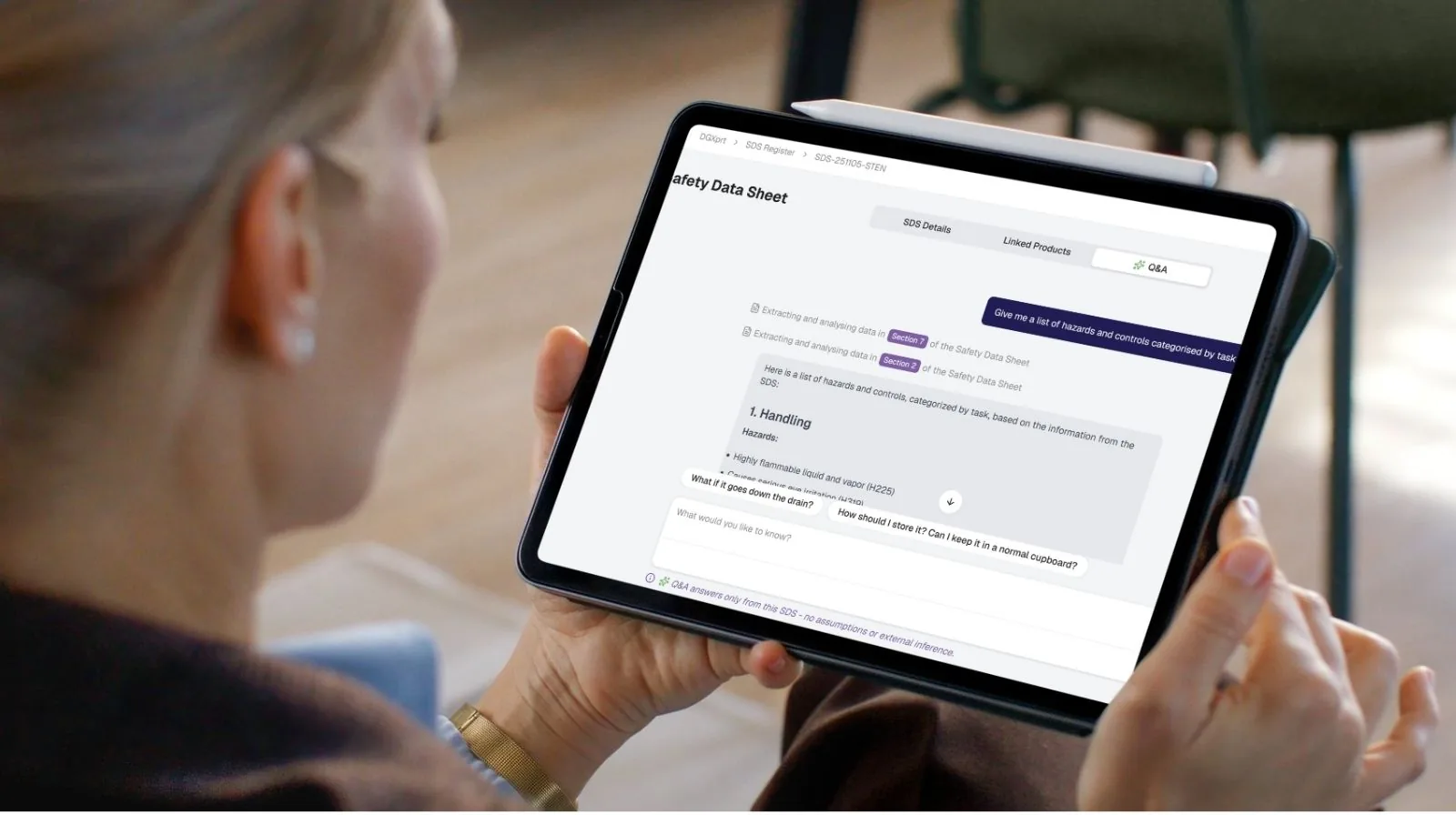
Feature Spotlight:SDS Q&A
SDS Q&A — Unlocking the Technical & Regulatory Intelligence Hidden Inside SDS.
Why Knowing DG Thresholds Is the First Step to Compliance
Understanding dangerous goods storage thresholds is fundamental to compliance. Learn how to calculate your thresholds and why they matter for your business.
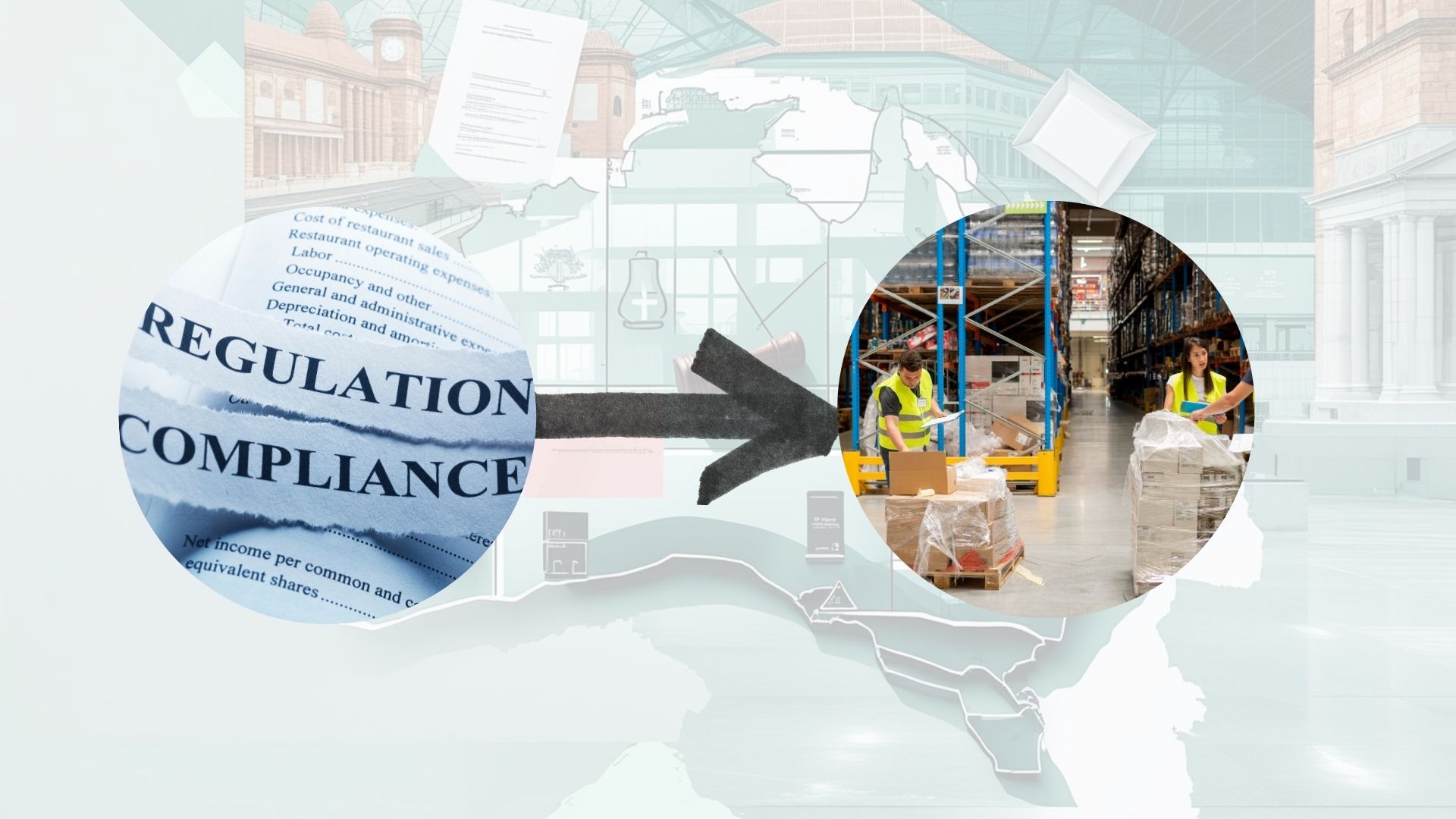
End-to-End SDS Management:From Regulation to Real-World Use
Managing Safety Data Sheets (SDS) is at the heart of chemical safety and compliance. Yet many businesses still see SDS as "documents in a folder" rather than a living system that supports daily decision-making.
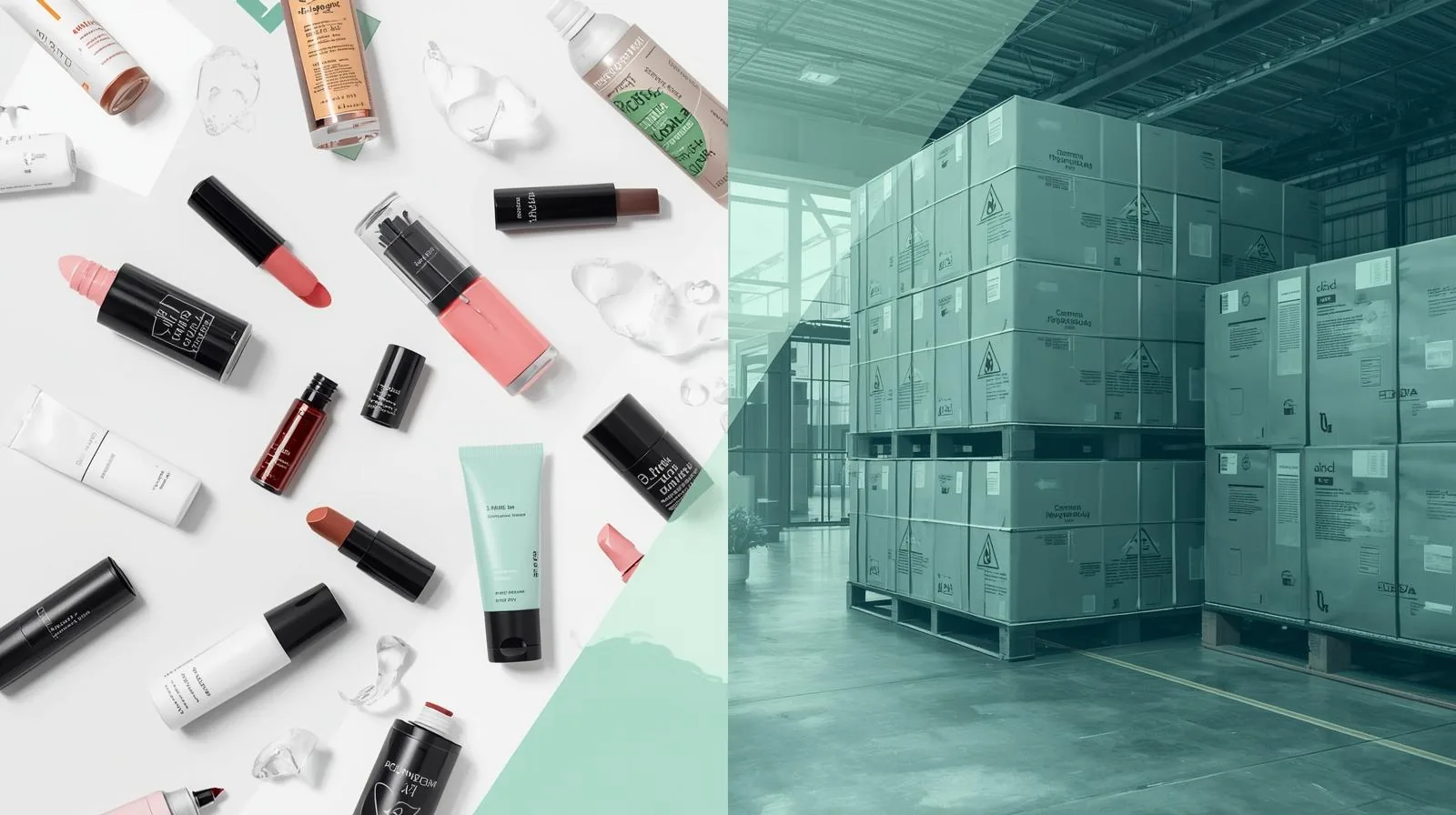
Hidden Hazards of Cosmetics Stored at Scale | DGXprt Blog
Two recent fires at a Yonkers cosmetics warehouse exposed critical gaps in dangerous goods compliance. Learn how proper DG management can prevent catastrophic incidents.
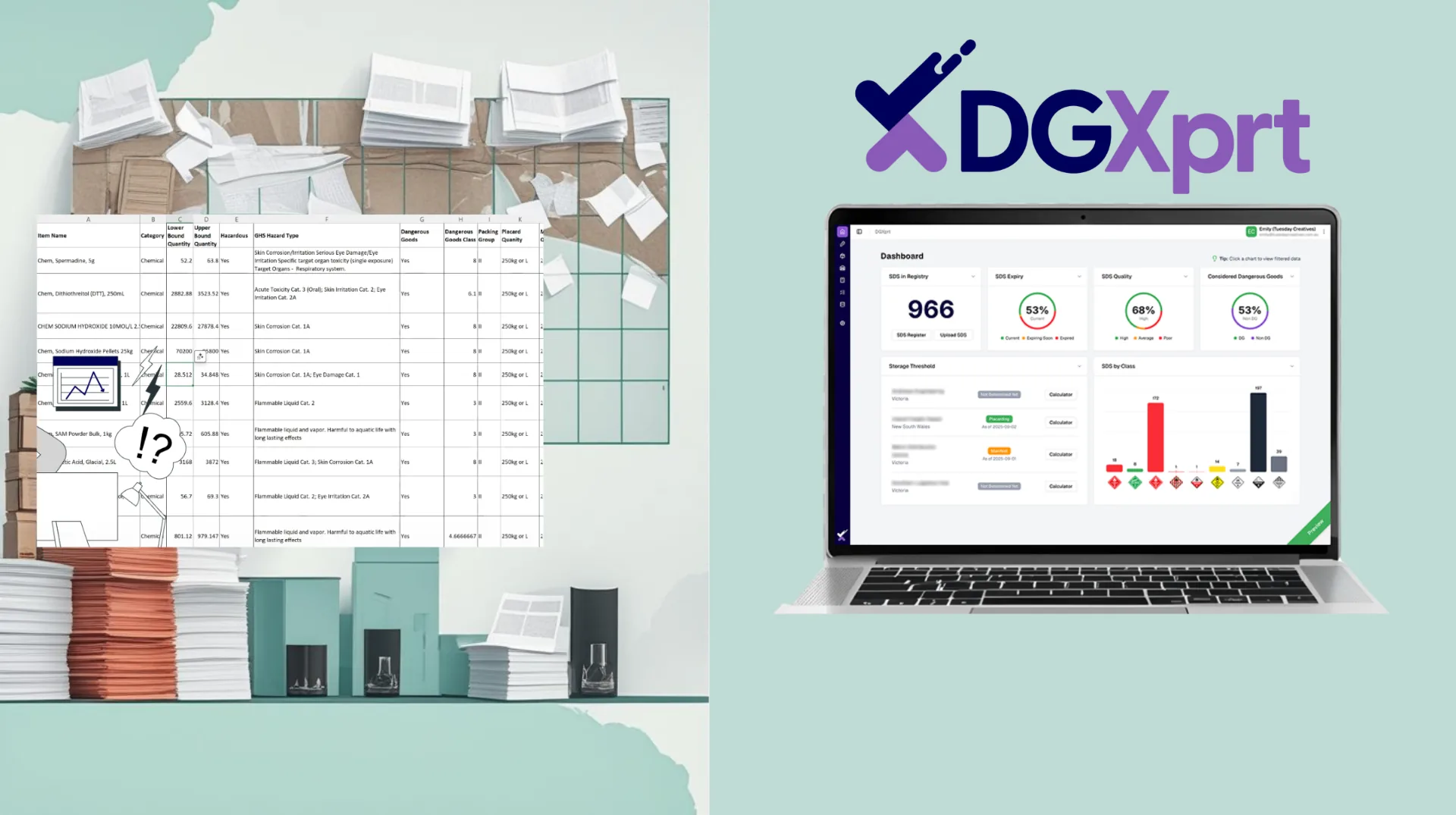
DGXprt vs Spreadsheets:Why Excel Is Risky for Dangerous Goods
Spreadsheets might track your DG register, but they're error-prone, hard to maintain, and offer no compliance intelligence. DGXprt reads your files, embeds regulations, and updates automatically.
NSW WHS Reg 2025:What Changed for Hazardous Chemicals?
The Work Health and Safety Regulation 2025 introduces significant changes for businesses handling hazardous chemicals in NSW, including enforceable Codes of Practice and higher penalties.